I tested the Japanese decorating method: my home is completely transformed

Ever wondered why everyone’s obsessed with the Japanese decorating method lately? This minimalist approach turned my cluttered apartment into a peaceful sanctuary—and it’s way easier to adapt than you’d think. I’ll show you exactly how streamlined design, natural materials, and intentional decor can totally revolutionize not just your space, but your daily peace of mind.
Discovering the Essence of Japanese Decorating
Exploring the fundamental principles of Japanese interior design introduces us to the art of minimalism, balance, and a profound connection with nature. The concept of wabi-sabi, or finding beauty in imperfection, plays a crucial role here, celebrating the flawed and ephemeral aspects of life through the use of natural materials. This philosophy not only enhances the aesthetic of a space but also brings a sense of peace and acceptance.
Imagine a cluttered living room, where every surface is covered with items. By adopting a Japanese-inspired mindset, we begin to appreciate the importance of open space and light. Removing excess items, focusing on natural light, and incorporating elements like wood and stone can transform a chaotic space into a tranquil sanctuary. This approach is especially appealing for modern homes, where women seek both tranquility and functionality to balance their busy lives.
The integration of these elements fosters a living environment that is not only visually appealing but also functionally efficient. For instance, choosing furniture that doubles as storage can keep a home tidy and spacious. These design principles resonate deeply with the desire to create a living space that is both serene and practical, reflecting personal style while promoting a calm and organized atmosphere.
Step-by-Step: How I Applied the Japanese Method at Home
Embarking on my Japanese-inspired home transformation began with the essential step of decluttering. Inspired by the principles of minimalism, I sifted through each room, removing items that didn’t serve a functional purpose or bring joy. The process was challenging, especially when it came to sentimental items, but it was crucial for achieving the simplicity and serenity characteristic of Japanese decor.
Next, I chose a neutral color palette that reflected natural elements, incorporating shades of beige, gray, and soft greens to evoke a calm and harmonious atmosphere. I replaced synthetic materials with natural ones like bamboo, linen, and wool, enhancing the tactile quality of my space. Integrating greenery, through the placement of strategically chosen plants like bamboo and peace lilies, helped in bringing a sense of life and purity into my home.
During this makeover, I found some practical storage solutions that maintained the minimalist aesthetic. Using under-bed storage boxes, built-in closet organizers, and multi-functional furniture pieces allowed me to keep my space tidy and open. For anyone looking to adopt this style, I recommend starting with a thorough decluttering and gradually incorporating elements that speak to both functionality and natural beauty.
The Transformation: Before, After, and What Changed for Me
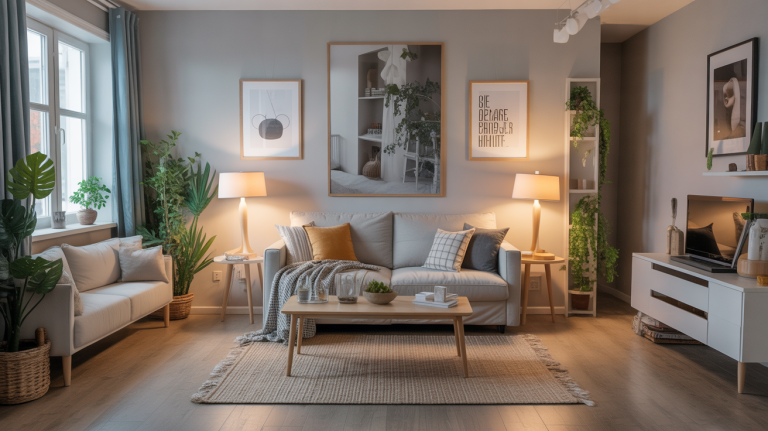
Transforming my living space using the Japanese decorating method was a journey of both visual and emotional rejuvenation. Initially, the room felt cluttered and disconnected, but now it radiates tranquility and cohesion. The stark contrast in atmosphere is palpable; where there was once chaos, there is now a serene harmony that welcomes anyone who enters.
The benefits of this transformation extend beyond aesthetics. Emotionally, the space now fosters a sense of peace and calmness that I didn’t realize was missing before. Practically, everything has its place, making daily routines smoother and less stressful. The minimalist approach has also made my home more inviting to guests, offering a clutter-free environment that encourages relaxation and conversation.
If you’re considering this style, start small to ensure it suits your lifestyle and budget. Focus on decluttering and selecting key pieces that serve both functional and aesthetic purposes. Avoid the pitfall of over-simplifying your space to the point where it feels impersonal. Adapt the principles to your taste and space requirements, ensuring your home remains a reflection of you.
These simple shifts prove how Japanese-inspired minimalism can ground your home in both tranquility and functionality, far beyond surface decor.
Now it’s your turn: what one item could you clear or one natural element could you add today? Small steps can spark a surprisingly powerful transformation—trust me, your space (and your mindset) will thank you.