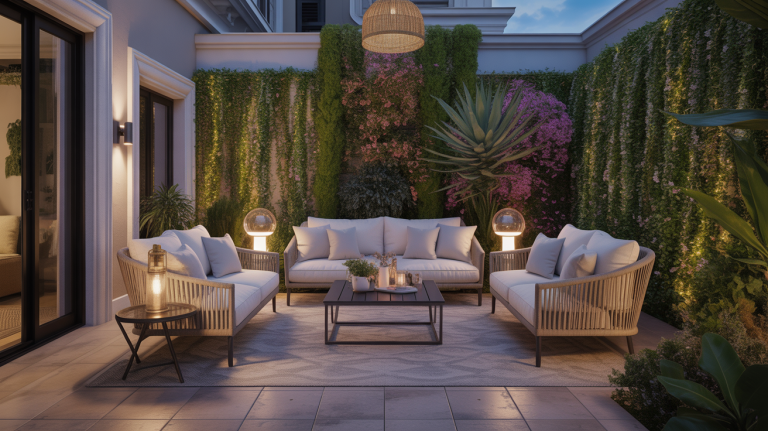
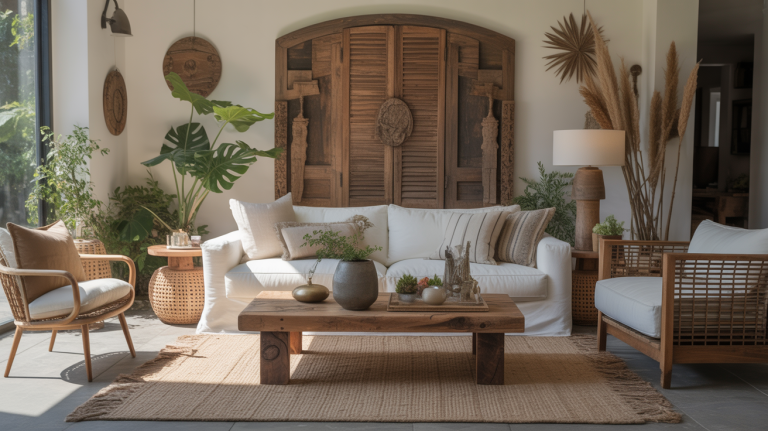
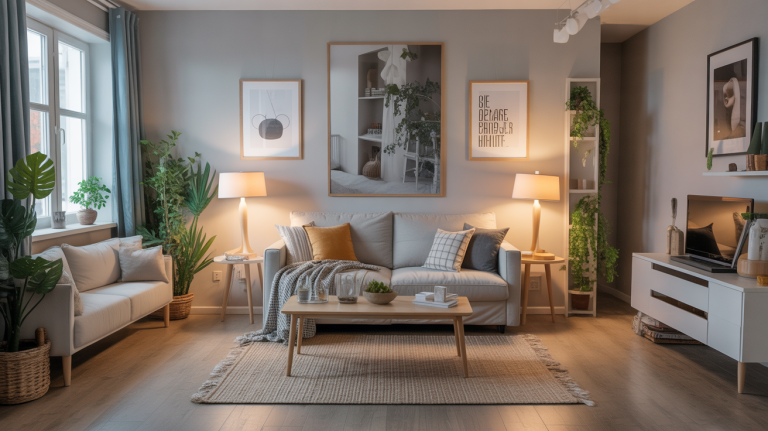
This pro method for mixing styles without any design mistakes

Here’s why mixing styles like a pro isn’t just for designers: this method lets you create a home that’s truly yours, blending your favorite looks without risking design disasters.
Uncover insider tricks for balancing contrast and cohesion—so every style pivot feels intentional, inviting, and uniquely you.
Ready to make your space stand out while sidestepping rookie mistakes? Let’s dive into this game-changing approach.
Mastering the Style Mix: Understanding Your Core Elements
Discover how to confidently identify your favorite styles and define the key elements you want to blend in your home. Start by breaking down the basics of popular design styles such as modern, boho, mid-century, or farmhouse. Recognizing their signature traits is crucial. For example, modern design features clean lines and minimalistic colors, while boho decor embraces vibrant textures and eclectic patterns.
Understanding your personal taste is the secret to mixing styles without creating chaos. This clarity allows you to seamlessly combine elements from different styles and create a cohesive look. To visualize this harmony, consider creating a mood board or style map before purchasing any items. This approach helps you see how various pieces and styles can coexist beautifully in your space, ensuring every purchase contributes to the overall aesthetic you desire.
Actionable tips for this process include collecting images, fabric swatches, and color samples that resonate with your aesthetic. Arrange these elements on your mood board or digital style map, playing with layouts until you find the perfect mix. This visual planning not only sparks creativity but also prevents common design mistakes, making your style blend effortlessly.
The Pro Formula: Balancing Contrast and Cohesion
Master the art of balancing contrast and cohesion to blend styles seamlessly in your living space. Start by selecting a color palette that serves as a foundation—this will help in unifying the room while allowing for contrasting elements to stand out. For example, a neutral backdrop can be enlivened with vibrant furniture pieces or bold accessories. This approach ensures that the space feels cohesive yet dynamic.
When introducing statement items, it’s key not to overwhelm the room. Choose one or two focal points, such as a striking piece of art or a unique furniture item, and keep the rest of the room more subdued. This strategy helps in creating a balanced environment where every element gets its moment to shine without clashing. Similarly, layering textures and patterns can add depth and interest to a room. Combine soft textiles with rough textures, or geometric patterns with floral designs, to create a rich, inviting atmosphere that feels intentional and exquisitely curated.
Remember, the ultimate goal is to create a space that reflects your personal style while maintaining harmony and functionality. By thoughtfully selecting colors, materials, and shapes that complement each other, you can achieve a beautifully mixed style that feels both fresh and familiar. This chapter bridges the foundational elements of style mixing from the previous chapter and prepares you for avoiding common mistakes, discussed in the next segment.
Real-Life Style Mixes: Mistakes to Avoid and Easy Fixes
Blending different styles in your home can often lead to common mistakes, such as clashing furniture or over-accessorizing, which disrupt the harmony of your living space. To avoid these blunders, start by assessing the core elements of your existing decor. If you’ve got a modern sofa and a vintage coffee table, ensure they share a unifying color or material. This strategy helps to blend distinct styles subtly and effectively.
Another quick fix is decluttering and strategically rearranging your space to give it a fresh, effortless feel. Sometimes, less is more—removing unnecessary items can highlight your room’s best features. If you feel your room is overcrowded, try storing away some accessories or furniture pieces to see what arrangement makes the room feel more balanced and inviting. Adding personal touches, like unique art pieces or family photos, can also enhance the room’s appeal without sacrificing style or budget.
For those who want to infuse their homes with personal flair while maintaining a cohesive look, consider incorporating elements that reflect your personality but don’t overpower the space. Using cushions, throws, and rugs in complementary shades can tie different styles together and create a cohesive palette. Be mindful of the scale and proportion of these additions to keep the overall aesthetic balanced.
These insights show just how powerful intentional style mixing can be for creating a home that truly feels like yours—stylish, functional, and deeply personal.
Now it’s your turn: which style combo are you most excited to experiment with? Start small, trust your eye, and let your space evolve with you!