What interior designers will never tell you about IKEA furniture (shocking revelations)
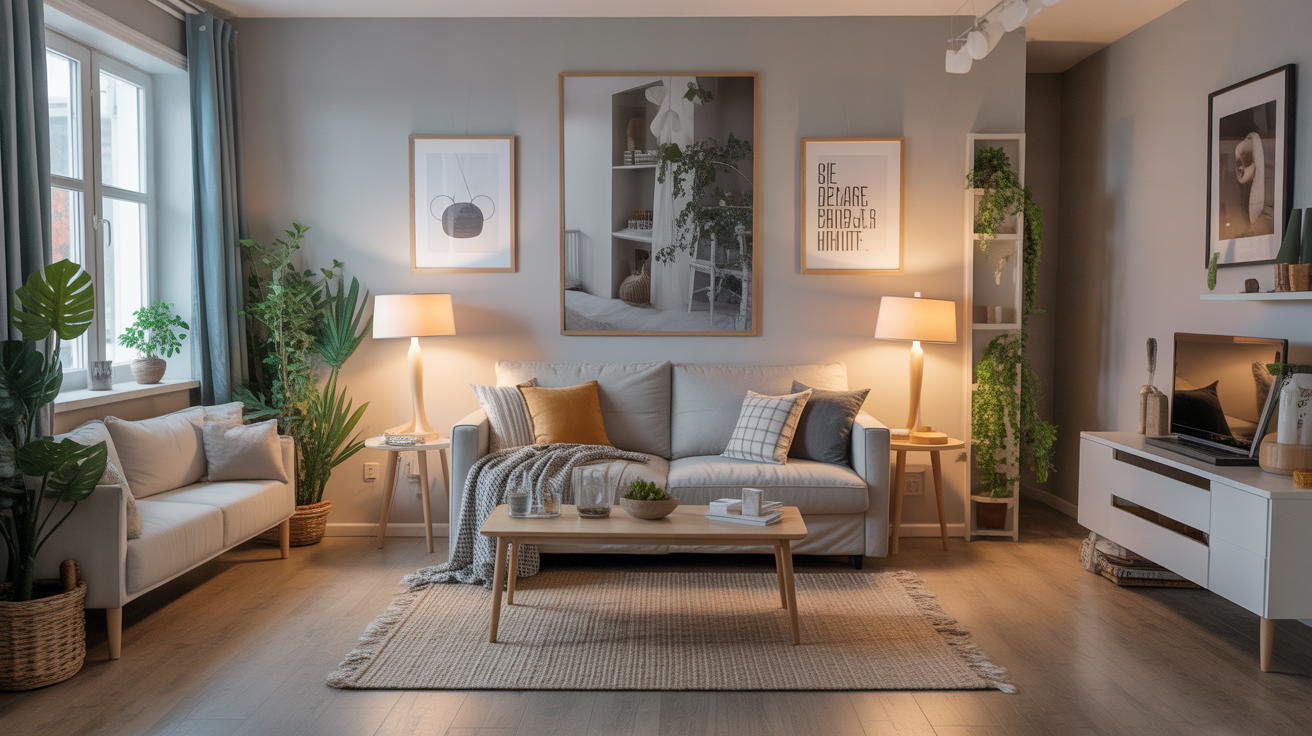
Curieuse de savoir ce que les designers ne vous disent jamais sur le mobilier IKEA ? Voici pourquoi ces astuces méconnues font toute la différence pour transformer ton espace, sans exploser ton budget.
Découvre des conseils concrets et exclusifs pour repérer les vraies perles, éviter les erreurs coûteuses et donner à chaque pièce ce look magazine que tout le monde remarque !
The IKEA Pieces Designers Secretly Swear By
Interior designers often have a few secret weapons from IKEA that they use, even in high-budget projects. The HOVET mirror is a favorite for its oversized dimensions and sleek design, perfect for adding a sense of space to any room. Similarly, the TESAMANS textiles are celebrated for their vibrant colors and patterns, offering an easy and affordable way to inject personality into a space.
I remember once stumbling upon the HOVET mirror in a tiny apartment I was renovating. Its impact was immediate—transforming a cramped entryway into a more open and inviting space. It’s these kinds of finds that can make all the difference. For those browsing IKEA, always check the materials and craftsmanship; solid builds and timeless designs are your best bets for enduring style.
To confidently incorporate IKEA pieces into your decor, focus on items that offer both functionality and style. Mirrors, textiles, and even some well-designed furniture pieces can elevate your space without breaking the bank. Always consider how each piece will fit with your existing decor to ensure a cohesive look.
The Surprising Truth About IKEA Quality and Value
When you’re eyeing IKEA for your next furniture purchase, it’s crucial to understand why it might not always be the top choice for designers. The core of many IKEA products lies in materials like MDF (Medium Density Fiberboard) and particleboard. While these can offer an attractive price point and modern aesthetic, their longevity doesn’t measure up to solid wood options. This is a pivotal detail if you’re planning on investing in pieces that you hope to keep for years.
Another interesting twist is the ‘IKEA Effect’, a psychological phenomenon where the effort put into assembling furniture makes you value it more. This attachment might cloud judgment about the actual quality and utility of the furniture. It’s a sneaky bias, but knowing about it can help you make more informed decisions. For busy households or areas with heavy use, it might be wise to skip on IKEA’s more delicate items and opt for sturdier alternatives that can handle the chaos of daily life.
For those looking to make the most of their IKEA visits, focus on items where design and durability align. For example, metal bed frames and solid wood tables often provide better longevity and style. Avoid the flimsier pieces prone to quick wear and tear, and always consider the practicality of the assembly process. This guidance ensures that each purchase from IKEA is not only a reflection of style but also a wise investment in your home’s functionality.
Smart Designer Hacks to Make IKEA Furniture Look Custom
Transforming basic IKEA furniture into custom-looking pieces is easier than you might think. Start by painting your item to match your personal decor style. For bookcases or cabinets, a high-quality satin finish can add a touch of elegance. Remember, a thorough sanding and a coat of primer will ensure a smoother finish. Additionally, updating the hardware can make a significant difference. Swap out generic knobs and pulls with chic, designer options to instantly elevate the piece.
For a more dramatic transformation, consider using third-party fronts from trusted brands like Reform or Semi-Handmade. These companies offer stylish fronts that are specifically designed to fit IKEA furniture frames, giving them a high-end look without the designer price tag. When selecting these add-ons, pay attention to the materials used to ensure they complement the durability of your IKEA piece. This approach not only enhances style but also extends the life of your furniture.
To shop like a pro at IKEA, carry a quick checklist: assess the build and durability, consider the potential for customization, and check compatibility with third-party enhancements. This strategy ensures you select pieces that are not only stylish and suited to your taste but also a smart investment for your home. By following these steps, you can turn ordinary IKEA furniture into unique, eye-catching elements of your decor.
These insights prove just how much thoughtful IKEA choices and a few creative hacks can level up your home’s style—no giant budget needed.
The real question is: how will you mix design savvy and smart shopping to reflect your personality and needs? I can’t wait to see what spaces you’ll transform next!